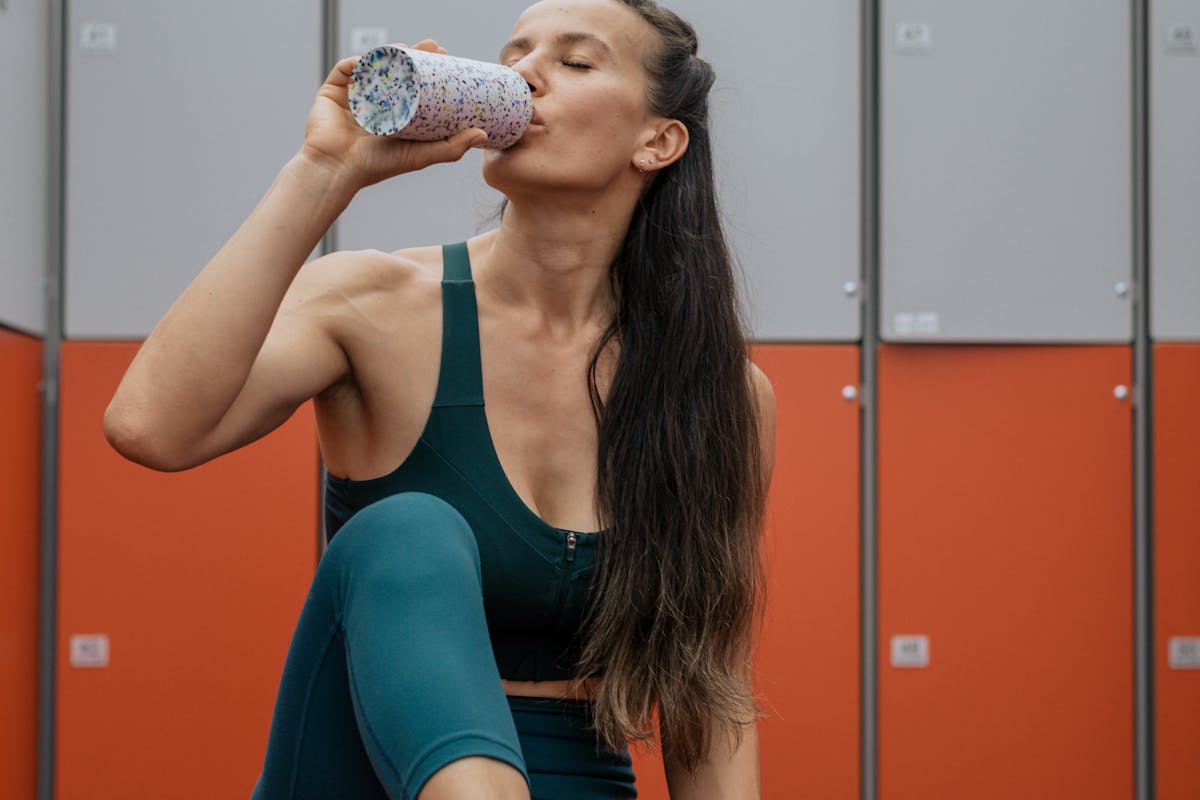

- Muscle soreness is a normal response to training, especially when workouts are intense or unfamiliar, but proper recovery can shorten how long it lasts.
- Active recovery, such as light movement or gentle stretching, helps improve circulation and reduce stiffness better than complete rest.
- Proper nutrition—especially adequate protein and carbohydrates—supports muscle repair and replenishes energy after workouts.
- Staying well-hydrated helps prevent excessive fatigue and can reduce the severity of post-workout muscle soreness.
- Quality sleep is essential for muscle recovery, as most tissue repair and hormone release occur during deep sleep.
- Consistent recovery habits are just as important as workout intensity for maintaining long-term fitness progress.
Muscle soreness after exercise is often a sign that your body is adapting to new physical demands. While mild soreness can feel rewarding, excessive discomfort may interfere with daily activities and future workouts. For health-conscious people who exercise regularly, understanding how to recover properly is just as important as training itself. Science-backed recovery strategies can reduce soreness, support muscle repair, and help you maintain long-term consistency without burnout.
Below, we break down proven methods that answer a common question many active individuals ask: what really helps sore muscles after a workout?
Why Do Muscles Get Sore After Exercise?
Delayed onset muscle soreness (DOMS) typically appears 12 to 48 hours after physical activity, especially after strength training or unfamiliar movements. It occurs due to microscopic damage to muscle fibers, followed by inflammation as the body repairs itself. While this process is normal, unmanaged soreness can slow progress and reduce motivation.
Several factors influence how sore you feel, including workout intensity, movement patterns, recovery habits, and even how many sets per workout you perform. Understanding the cause of soreness helps you choose recovery strategies that address inflammation, circulation, and tissue repair rather than masking symptoms.
What Helps Sore Muscles After Workout? Evidence-Based Solutions

Knowing what helps sore muscles after a workout requires separating fitness myths from proven recovery methods. Research consistently shows that recovery works best when it supports blood flow, reduces excessive inflammation, and provides nutrients needed for muscle repair. These strategies do not eliminate soreness overnight, but they significantly shorten recovery time and improve comfort.
Active recovery, hydration, and proper nutrition all play a role in helping muscles return to normal function. Importantly, recovery should match your training intensity. Someone training three times per week may need different recovery tools than someone exercising daily. By combining several evidence-based methods, health-conscious individuals can recover efficiently without over-relying on painkillers or supplements.
Proven recovery methods include:
- Light movement instead of complete rest
- Adequate protein and carbohydrate intake
- Proper sleep and hydration
- Strategic use of temperature therapy
Does Active Recovery Reduce Muscle Soreness?
Active recovery refers to low-intensity movement performed after or between workouts. Instead of remaining sedentary, gentle activity helps circulate blood and oxygen to sore muscles, supporting the healing process. Studies show that light movement can reduce stiffness and improve perceived soreness compared to complete rest.
Active recovery does not mean another hard workout. It should feel easy and restorative, allowing muscles to move without strain. This approach is especially useful for people who exercise frequently and want to maintain consistency without compounding fatigue.
Effective active recovery options:
- Walking or light cycling
- Gentle yoga or mobility drills
- Swimming at a relaxed pace
- Dynamic stretching focused on sore areas
How Nutrition and Hydration Support Muscle Repair
Post-workout nutrition plays a critical role in muscle recovery. Muscles require protein to repair damaged fibers and carbohydrates to replenish glycogen stores. Without adequate fuel, soreness may linger longer, and performance may suffer in subsequent workouts.
Hydration is equally important. Even mild dehydration can increase muscle fatigue and cramping, making soreness feel more intense. Health-conscious individuals should aim for consistent hydration throughout the day, not just during exercise sessions.
Nutrition tips that aid recovery:
- Consume protein within 1–2 hours post-workout
- Include complex carbohydrates for energy restoration
- Prioritize whole foods over highly processed options
- Drink water consistently, adding electrolytes if training intensely
Can Sleep and Lifestyle Habits Speed Up Recovery?

Sleep is one of the most overlooked recovery tools, yet it is when most muscle repair occurs. During deep sleep, the body releases growth hormone, which supports tissue regeneration and reduces inflammation. Poor sleep can significantly slow recovery, even if nutrition and training are well managed.
Lifestyle habits also influence how sore you feel after workouts. High stress levels, inconsistent routines, and inadequate rest days all contribute to prolonged soreness. For health-conscious people, recovery should be viewed as a daily practice rather than an afterthought.
Habits that improve recovery quality:
- Aim for 7–9 hours of sleep per night
- Maintain consistent training and rest schedules
- Manage stress through breathing or mindfulness
- Avoid excessive training volume without adequate rest
Final Thoughts
Incorporating science-backed recovery strategies into your fitness routine can make a meaningful difference in how your body responds to training. While muscle soreness is a natural part of getting stronger, it doesn’t have to slow you down or disrupt your daily life. By prioritizing active recovery, proper nutrition, hydration, quality sleep, and balanced training volume, you give your muscles the tools they need to repair and adapt efficiently. For health-conscious individuals, recovery is not a sign of weakness—it’s a critical component of sustainable progress, better performance, and long-term physical well-being.