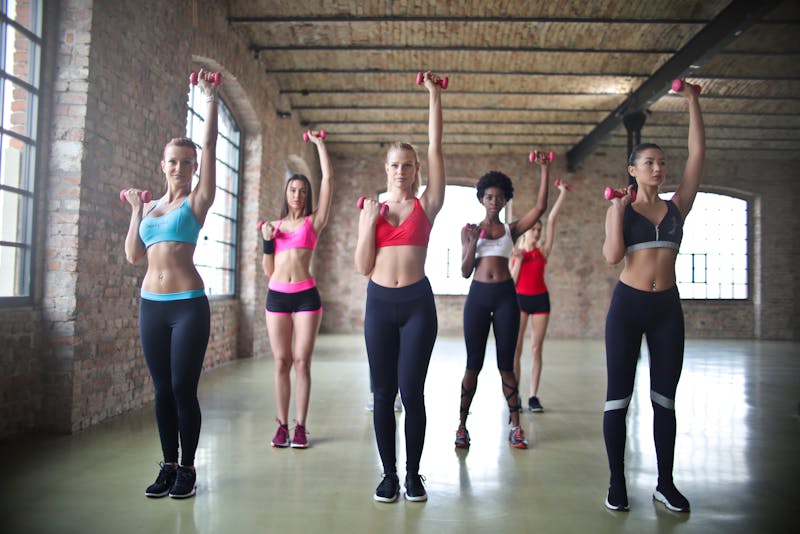

- Exercise needs differ due to genetics, age, metabolism, muscle fiber composition, and lifestyle factors.
- Personalized fitness improves results, prevents injury, and enhances long-term adherence.
- Recovery, rest, and nutrition play a crucial role in how effectively your body responds to exercise.
- Health conditions, body composition, and structural differences require customized training approaches.
- One-size-fits-all workout plans are often ineffective; tailored routines maximize individual potential.
- Monitoring progress and adjusting workouts ensures continued improvement and sustainability.
- Understanding your body’s unique needs empowers smarter, safer, and more effective fitness decisions.
In today’s fitness-driven world, it’s easy to assume that following popular workout plans or trending exercise challenges will automatically deliver results. However, many health-conscious individuals quickly discover that what works perfectly for one person may feel ineffective—or even harmful—for another. This is not a failure of discipline or motivation; it is the natural result of biological, physiological, and lifestyle differences that make everybody unique. This is why even highly searched routines, such as glute workouts for women or popular leg workouts for women, do not guarantee the same outcome for everyone.
Understanding why exercise needs vary between individuals is essential for building a fitness routine that is both effective and sustainable. Personalized fitness is not just a modern trend—it is grounded in science, and it provides a smarter way to achieve long-term health, improved performance, and reduced injury risk.
The Foundation of Personalized Fitness
Personalized fitness recognizes that people differ in genetics, body composition, lifestyle habits, medical history, and goals. These differences influence how the body responds to training stimuli, how quickly it recovers, and how efficiently it builds strength or endurance.
Instead of forcing every person into the same workout structure, personalized fitness adapts exercise programs to fit the individual. For example, while leg workouts for women often focus on toning and strength, the ideal exercise selection, intensity, and volume can vary greatly depending on muscle fiber type, joint structure, and recovery ability. This approach helps health-conscious individuals make better progress while protecting their joints, muscles, and overall well-being.
Key benefits of personalized fitness include:
- More efficient use of training time
- Improved results with less frustration
- Lower risk of injury and burnout
- Better adherence to healthy habits
Why Do Exercise Needs Vary Between Individuals? The Science Explained
The question “Why do exercise needs vary between individuals?” is rooted in measurable biological and lifestyle factors that shape how the body performs, adapts, and recovers. Each person’s physiology determines the intensity, volume, and type of exercise that will be most beneficial. These differences explain why two people following the same routine—such as popular glute workouts for women—may experience dramatically different results.
From muscle fiber distribution to metabolic rate and hormonal balance, the body’s internal systems respond uniquely to physical stress. Understanding these internal variations allows health-conscious individuals to choose workouts that align with their personal biology rather than relying on generic routines.
Key Contributors to Individual Differences
- Genetic makeup
- Age and hormonal profile
- Muscle fiber composition
- Body composition and metabolism
- Lifestyle habits and stress levels
Genetic Influences on Fitness Performance
Genetics plays a powerful role in determining how your body responds to exercise. Some individuals are genetically predisposed to build muscle quickly, while others excel at endurance activities. These inherited traits influence strength potential, cardiovascular efficiency, and recovery speed.
Your genes also affect how your body handles fatigue and repairs muscle tissue after workouts. This explains why certain people can train frequently with minimal soreness, while others require longer recovery periods.
Examples of Genetic Impacts
- Fast-twitch vs. slow-twitch muscle dominance
- Oxygen utilization efficiency
- Tendon and joint resilience
- Natural flexibility levels
Age and Hormonal Differences
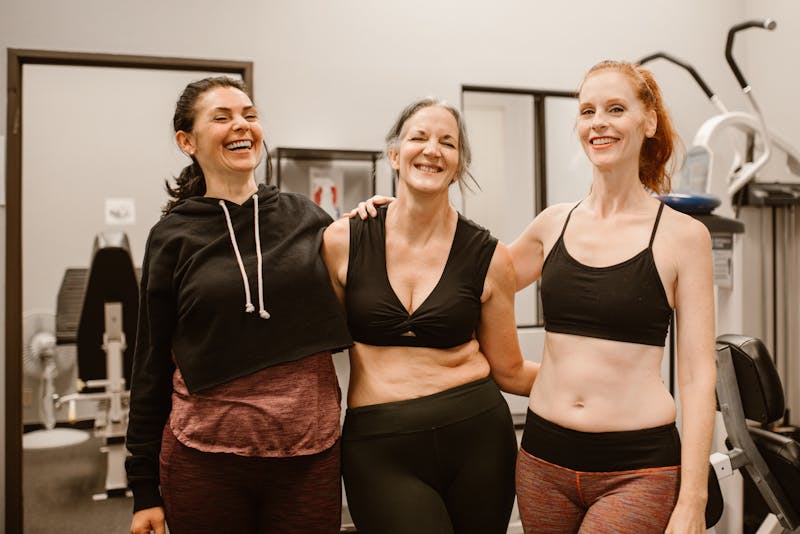
Age-related hormonal changes significantly affect exercise needs and recovery patterns. Younger individuals often produce higher levels of growth hormone and testosterone, which support faster muscle development and quicker repair. As people age, these hormone levels naturally decline, requiring adjustments in workout intensity and frequency.
Health-conscious adults must recognize that age does not eliminate the ability to stay fit—but it does demand smarter programming. Recovery time, mobility training, and joint-friendly exercises become more important over time.
Training Considerations by Age
- Emphasis on flexibility and mobility
- Balanced strength and cardiovascular routines
- Longer warm-up and cool-down periods
- Increased focus on recovery
Muscle Fiber Composition and Performance
Muscle fibers determine how your body handles different types of physical activity. Fast-twitch fibers generate explosive power and are ideal for sprinting and weightlifting. Slow-twitch fibers support endurance and prolonged activity such as running or cycling.
Each person is born with a unique ratio of these fibers, influencing what type of exercise they excel in and how their muscles fatigue.
How Fiber Type Affects Training
- Power-focused individuals benefit from resistance training
- Endurance-dominant individuals excel in aerobic activities
- Mixed fiber types require balanced programming
Metabolism and Energy Utilization
Metabolic rate determines how efficiently your body converts food into usable energy. Individuals with faster metabolisms burn calories quickly, while slower metabolisms conserve energy. These differences affect weight management and energy availability during workouts.
Metabolism also influences how often you need to eat, how much fuel your body requires, and how your weight responds to exercise.
Metabolism-Driven Training Needs
- Higher metabolic rates may require more calories and rest
- Slower metabolic rates benefit from consistent, moderate-intensity workouts
- Balanced nutrition enhances exercise performance
Lifestyle and Daily Activity Levels
Exercise needs are heavily influenced by daily activity levels outside the gym. Someone with an active job may already accumulate significant movement, while someone with a desk job may need additional cardiovascular training.
Sleep quality, hydration, and stress also affect energy levels and recovery. Poor lifestyle habits can reduce training effectiveness regardless of workout quality.
Lifestyle Factors That Shape Fitness Needs
- Work-related physical activity
- Sleep patterns and quality
- Stress levels and mental health
- Nutritional habits
Body Composition and Structural Differences
Body composition, including fat mass and lean muscle mass, affects how your body handles physical load. Individuals with higher muscle mass may perform better in strength training, while those with higher fat mass may experience greater strain on joints during high-impact exercises.
Structural differences such as limb length and joint alignment also influence exercise comfort and safety.
Considerations for Body Structure
- Joint-friendly exercises for heavier individuals
- Proper technique to prevent injury
- Customized intensity levels
Health Conditions and Medical History
Existing health conditions require careful workout customization. Conditions such as hypertension, arthritis, diabetes, and asthma affect cardiovascular capacity, joint stability, and recovery ability.
Personalized fitness ensures that exercises improve health rather than exacerbate medical concerns.
Safety-Based Modifications
- Low-impact cardio options
- Gradual intensity progression
- Emphasis on breathing and posture
The Role of Recovery and Rest
Recovery is where physical improvement actually occurs. Differences in sleep quality, stress tolerance, and muscle repair efficiency affect how often and how intensely individuals should train.
Ignoring recovery needs can lead to fatigue, plateaued progress, and injury.
Recovery-Focused Strategies
- Adequate sleep
- Rest days and light activity
- Hydration and proper nutrition
How Personalized Fitness Improves Results
Personalized fitness aligns training with your unique body profile. This approach improves motivation, prevents injury, and ensures consistent progress. Instead of chasing unrealistic workout standards, individuals focus on achievable, meaningful improvements.
Benefits include:
- Sustainable habits
- Enhanced confidence
- Long-term health protection

Creating Your Personalized Fitness Plan
A personalized fitness plan should reflect your goals, health status, lifestyle, and preferences. This ensures enjoyment, adherence, and measurable progress.
Steps to Build Your Plan
- Assess fitness level and goals
- Choose suitable workout types
- Adjust intensity and frequency
- Monitor progress regularly
Common Myths About Universal Workouts
Many fitness myths suggest that everyone should follow the same routines. These ideas ignore biological diversity and can lead to poor results.
Myths to Avoid
- One-size-fits-all training plans
- No pain, no gain mentality
- Extreme calorie restriction
Long-Term Health and Personalized Exercise
Sustainable fitness supports cardiovascular health, bone density, metabolic function, and mental well-being. Personalized routines adapt as your body changes, making lifelong fitness more achievable.
Nutrition and Its Impact on Personalized Fitness
Exercise alone is only part of the equation for achieving optimal fitness results. Nutrition plays a pivotal role in determining how your body performs, recovers, and adapts to training. Individual differences in metabolism, food tolerances, and nutrient needs mean that a diet that works for one person may not be ideal for another. For example, some people respond better to higher-protein diets for muscle building, while others may benefit from higher carbohydrate intake to fuel endurance activities.
Key nutrition considerations include:
- Macronutrient ratios (proteins, fats, carbohydrates) tailored to goals
- Timing meals around workouts for energy and recovery
- Hydration and electrolyte balance to support performance
- Addressing food intolerances or sensitivities
Understanding the connection between nutrition and exercise ensures that fitness routines are fully supported by the right fuel, optimizing results for each individual.
Psychological Factors and Motivation in Personalized Training
Mental and emotional factors strongly influence how individuals respond to exercise programs. Motivation, mindset, and stress levels can impact consistency, effort, and recovery. Some people thrive on structured routines and measurable goals, while others perform better with variety and flexibility. Ignoring psychological factors can lead to burnout, lack of adherence, or even negative associations with fitness.
Considerations for psychological personalization include:
- Setting realistic and achievable goals
- Identifying enjoyable forms of exercise to sustain motivation
- Managing stress to prevent overtraining or mental fatigue
- Using accountability tools, such as workout logs or training partners
By addressing the mental aspects of fitness, health-conscious individuals can create a routine that not only fits their body but also aligns with their lifestyle and emotional well-being, leading to long-term success.
Conclusion: Fitness That Fits Your Life
Exercise needs vary between individuals because bodies differ in structure, genetics, metabolism, and lifestyle. Recognizing these differences empowers health-conscious individuals to build routines that enhance results while protecting long-term health. Personalized fitness is not a shortcut—it is a smarter, safer, and more effective path to wellness.